ایمپلنت چیست؟
-
ایمپلنت دندان
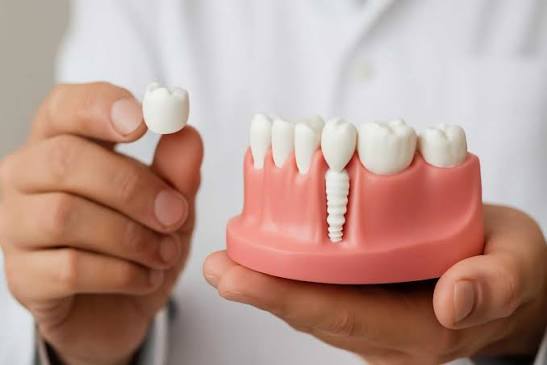
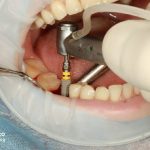
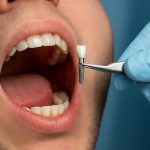
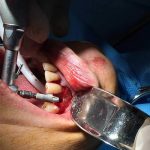
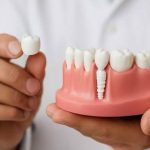
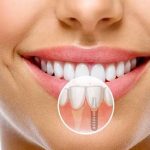
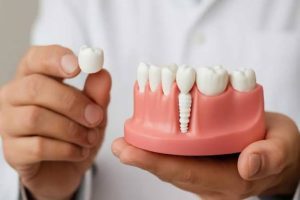
یک کاشت یا ایمپلنت دندان (که همچنین با نامهای ایمپلنت داخل استخوانی یا فیکسچر شناخته میشود) پروتزی است که با استخوان فک یا جمجمه درگیر میشود تا از پروتزهای دندانی مانند روکش، بریج، دندان مصنوعی یا پروتز صورت پشتیبانی کند یا بهعنوان یک تکیهگاه ارتودنتیک عمل نماید. اساس ایمپلنتهای دندانی مدرن، فرایندی بیولوژیکی به نام یکپارچگی استخوانی است که در آن موادی مانند تیتانیوم یا زیرکونیا پیوند محکمی با استخوان برقرار میکنند.[۱] ابتدا فیکسچر ایمپلنت طوری قرار داده میشود که احتمال یکپارچه شدن با استخوان وجود داشته باشد، سپس یک پروتز دندانی به آن اضافه میشود. پیشاز اینکه پروتز دندان (شامل دندان، بریج یا دندان مصنوعی) به ایمپلنت متصل شود یا یک اباتمنت که پروتز دندان یا روکش را نگه میدارد، قرار داده شود، مدت زمان متفاوتی برای بهبود و یکپارچه شدن با استخوان مورد نیاز است.
موفقیت یا شکست ایمپلنتها در درجه اول به ضخامت و سلامت استخوان و بافتهای لثهای اطراف ایمپلنت بستگی دارد،[۲] اما همچنین به وضعیت سلامت فرد دریافتکننده درمان و داروهایی که بر احتمال یکپارچه شدن با استخوان تأثیر میگذارند، وابسته است.[۳][۴][۵][۶][۷][۸][۹][۱۰] همچنین میزان فشاری که در طول عملکرد طبیعی بر ایمپلنت و فیکسچر وارد میشود، ارزیابی میشود. برنامهریزی برای تعیین موقعیت و تعداد ایمپلنتها کلید سلامت طولانیمدت پروتز است، زیرا نیروهای بیومکانیکی ایجادشده حین جویدن میتوانند قابل توجه باشند. موقعیت قرارگیری ایمپلنتها با توجه به موقعیت و زاویه دندانهای مجاور، با شبیهسازیهای آزمایشگاهی یا با استفاده از توموگرافی کامپیوتری با شبیهسازیهای CAD/CAM[۱۱][۱۲][۱۳][۱۴] و راهنماهای جراحی به نام استنت تعیین میشود. پیشنیازهای موفقیت طولانیمدت ایمپلنتهای دندانی ادغامشده در استخوان، استخوان و لثه سالم هستند. از آنجایی که هر دو میتوانند پساز کشیدن دندان دچار آتروفی شوند، گاهی اوقات برای بازسازی استخوان و لثه ایدهآل، پروسیجرهای پیشساخت پروتز مانند لیفت سینوس یا پیوند لثه ضروری است. پروتز نهایی میتواند ثابت باشد، که در آن فرد نمیتواند دندان مصنوعی یا دندانها را از دهان خود خارج کند، یا متحرک باشد، که در آن میتواند پروتز را خارج کند. در هر مورد، یک اباتمنت به پایه ایمپلنت متصل میشود. در جایی که پروتز ثابت است، روکش، بریج یا دندان مصنوعی یا با استفاده از پیچهای لگ یا با سیمان دندانپزشکی به اباتمنت متصل میشود. در مواردی که پروتز متحرک است، یک آداپتور مربوطه در پروتز قرار داده میشود تا دو قطعه به هم متصل شوند.
خطرات و عوارض مربوط به درمان ایمپلنت به سه دسته تقسیم میشوند، مواردی که حین جراحی رخ میدهند (مانند خونریزی بیشازحد یا آسیب عصبی، عدم ثبات اولیه کافی)، مواردی که در شش ماه اول رخ میدهند (مانند عفونت و عدم یکپارچه شدن با استخوان) و مواردی که در طولانیمدت رخ میدهند (مانند پریایمپلنتیت و شکستهای مکانیکی). در صورت وجود بافتهای سالم، یک ایمپلنت که بهخوبی جوش خورده باشد و تحت بارهای بیومکانیکی مناسب قرار گیرد، میتواند نرخ بقای ۵ ساله و بالاتر بین ۹۳ تا ۹۸ درصد[۱۵][۱۶][۱۷] و عمر مفید ۱۰ تا ۱۵ ساله برای دندانهای مصنوعی داشته باشد.[۱۸] مطالعات طولانیمدت نشان میدهند که موفقیت (بقای ایمپلنتها بدون عوارض یا نیاز به ترمیم) در یک دوره ۱۶ تا ۲۰ ساله، میان ۵۲٪ تا ۷۶٪ است، در حالی که عوارض در ۴۸٪ از مواقع رخ میدهند.
-
Dental implant
A dental implant (also known as an endosseous implant or fixture) is a prosthesis that interfaces with the bone of the jaw or skull to support a dental prosthesis such as a crown, bridge, denture, or facial prosthesis or to act as an orthodontic anchor. The basis for modern dental implants is a biological process called osseointegration, in which materials such as titanium or zirconia form an intimate bond to the bone.[1] The implant fixture is first placed so that it is likely to osseointegrate, then a dental prosthetic is added. A variable amount of healing time is required for osseointegration before either the dental prosthetic (a tooth, bridge, or denture) is attached to the implant or an abutment is placed which will hold a dental prosthetic or crown.
Success or failure of implants depends primarily on the thickness and health of the bone and gingival tissues that surround the implant,[2] but also on the health of the person receiving the treatment and drugs which affect the chances of osseointegration.[3][4][5][6][7][8][9][10] The amount of stress that will be put on the implant and fixture during normal function is also evaluated. Planning the position and number of implants is key to the long-term health of the prosthetic since biomechanical forces created during chewing can be significant. The position of implants is determined by the position and angle of adjacent teeth, by lab simulations or by using computed tomography with CAD/CAM simulations[11][12][13][14] and surgical guides called stents. The prerequisites for long-term success of osseointegrated dental implants are healthy bone and gingiva. Since both can atrophy after tooth extraction, pre-prosthetic procedures such as sinus lifts or gingival grafts are sometimes required to recreate ideal bone and gingiva.
The final prosthetic can be either fixed, where a person cannot remove the denture or teeth from their mouth, or removable, where they can remove the prosthetic. In each case an abutment is attached to the implant fixture. Where the prosthetic is fixed, the crown, bridge or denture is fixed to the abutment either with lag screws or with dental cement. Where the prosthetic is removable, a corresponding adapter is placed in the prosthetic so that the two pieces can be secured together.
The risks and complications related to implant therapy divide into those that occur during surgery (such as excessive bleeding or nerve injury, inadequate primary stability), those that occur in the first six months (such as infection and failure to osseointegrate) and those that occur long-term (such as peri-implantitis and mechanical failures). In the presence of healthy tissues, a well-integrated implant with appropriate biomechanical loads can have 5-year plus survival rates from 93 to 98 percent[15][16][17] and 10-to-15-year lifespans for the prosthetic teeth.[18] Long-term studies show a 16- to 20-year success (implants surviving without complications or revisions) between 52% and 76%, with complications occurring up to 48% of the time.

- Far far away, behind the word mountains, far las.
- Vokalia and Consonantia, there live the blind tex.
- Separated they live in Bookmarksgrove right attr.
- Far far away, behind the word mountains, far las.
- Vokalia and Consonantia, there live the blind tex.
- Separated they live in Bookmarksgrove right attr.